Deposit Incentive Calibration Through Credit Flows in Team Sports and Esports Arenas
Klara Neumann · Nov 19, 2026
Deposit Incentive Calibration Through Credit Flows in Team Sports and Esports Arenas
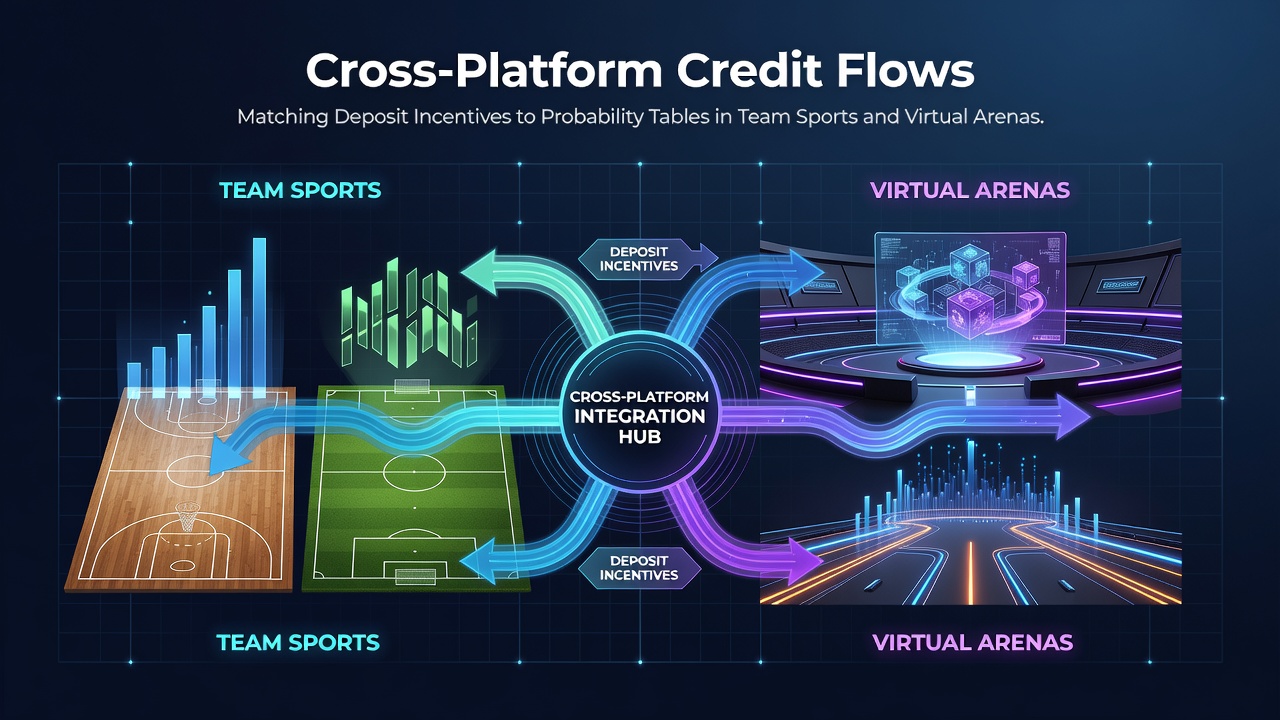
Operators in regulated markets have developed systems that move deposit credits between platforms while aligning those transfers with probability tables used in team sports wagering and virtual arena events, and data from industry reports indicate these mechanisms adjust bonus structures according to real-time odds calculations. Studies from research institutions show that matching deposit incentives to specific probability distributions helps maintain consistent player engagement across football matches, basketball games, and esports tournaments where virtual arenas host competitive play.
Mechanics of Credit Movement Between Platforms
Systems track deposits initiated on one platform and route portions of those funds to another when users shift focus from live team sports events to virtual arena competitions, while probability tables update automatically to reflect changing odds in each category. Figures from regulatory bodies in multiple jurisdictions reveal that such transfers often occur within seconds of a deposit confirmation, and operators apply weighted multipliers drawn from historical performance data for specific leagues or game titles. Observers note that these flows reduce friction for participants who maintain balances across several sites without repeated verification steps.
One documented approach segments credits by sport or arena type so that a deposit made for football betting carries a different incentive rate than the same amount directed toward esports titles, and software logs each movement against updated probability models. Research indicates this segmentation draws from aggregated outcome statistics rather than individual user behavior, which keeps the process compliant with oversight requirements in various regions.
Probability Table Integration in Team Sports Contexts
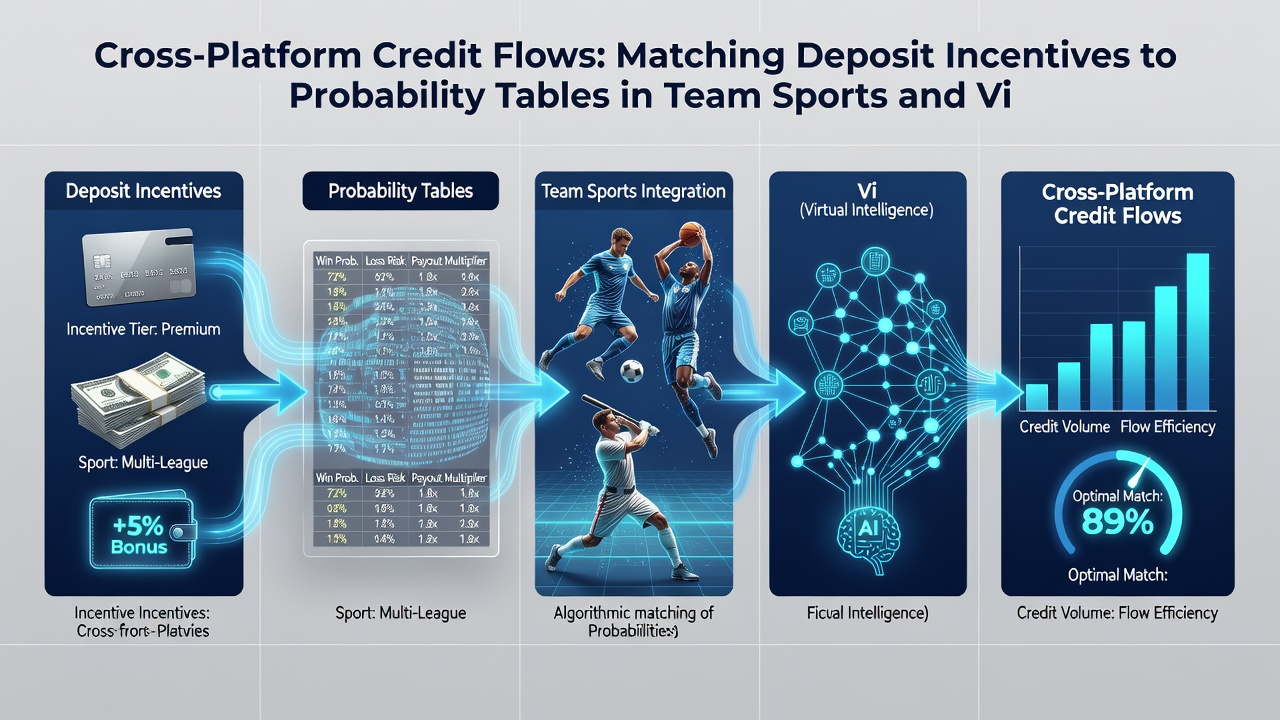
Team sports betting platforms maintain tables that assign values to outcomes such as match results, point spreads, and player props, and credit flow systems reference these tables to determine how much of a deposit qualifies for matching bonuses. Data compiled by academic research centers demonstrate that incentives scale according to the volatility of the selected market, with lower-variance events receiving steadier reward rates while high-volatility props trigger adjusted caps. As of November 2026, several major operators have refined these linkages to accommodate expanded live betting windows during international tournaments.
Those who have examined operational logs report that adjustments happen at the moment of transfer so that a credit originating from a deposit on a sportsbook site receives an esports-specific multiplier once routed to a virtual arena platform. This process relies on shared data feeds that synchronize probability tables across environments without requiring separate user actions.
Virtual Arenas and Cross-Platform Adjustments
Virtual arena events generate distinct probability distributions based on simulated matchups and player statistics, and credit flow mechanisms apply corresponding incentive structures when users move funds from traditional sportsbooks. Reports from gaming associations in North America and Europe indicate that these alignments account for differences in session length and payout frequency between physical sports and digital competitions. Operators use the same underlying ledger systems to ensure credits retain their original deposit timestamp for bonus eligibility calculations.
Examples from operational case studies show that a deposit intended for basketball betting can transition seamlessly to support wagers on virtual arena titles when probability tables signal favorable conditions, and the incentive rate updates accordingly. This flexibility stems from standardized data protocols that allow platforms to exchange information on current odds without exposing proprietary algorithms.
Regulatory and Technical Considerations
Authorities in Australia and Canada have issued guidelines that address how cross-platform credit movements must remain transparent to users, and industry organizations have developed frameworks for documenting incentive adjustments tied to probability tables. Technical implementations often incorporate audit trails that record each transfer alongside the relevant probability values at the time of movement. These records support compliance reviews while enabling operators to refine matching processes based on aggregate performance metrics rather than isolated transactions.
Links appear in user interfaces that explain how a deposit credit will convert when moving between team sports and virtual arena sections, and updates to these disclosures occur whenever probability tables undergo scheduled revisions. Research from university-affiliated centers continues to track the volume of such transfers across markets to identify patterns in usage during peak tournament periods.
Conclusion
Cross-platform credit flows that match deposit incentives to probability tables represent a coordinated approach to managing player funds across team sports and virtual arena environments, and available data show continued refinement of these systems through shared technical standards. Observers continue to monitor developments as operators incorporate feedback from regulatory updates and performance statistics into ongoing adjustments.